















Introduction
This post covers two active 2026 recalls: the egg-linked Salmonella outbreak and the lettuce-linked Cyclospora outbreak. It explains why recalls have been growing in scale, even as the number of recall events holds steady or falls. You’ll leave understanding what actually separates a recall that’s contained in days from one that drags on for weeks.
Table of Contents
The Salmonella Egg Recall and Cyclospora Lettuce Outbreak, Explained
Two recalls are currently moving through the U.S. food supply. On July 22, 2026, Midwest Poultry Services voluntarily recalled 1,589,577 dozen shell eggs, roughly 19 million individual eggs. The eggs came from two of the company’s Texas farms. Its own environmental monitoring turned up Salmonella Enteritidis. The recalled eggs shipped under several retail brand names. They reached grocery stores and foodservice customers across Texas, Oklahoma, Louisiana, Arkansas, New Mexico, and Mississippi. As of late July, the FDA has linked 98 illnesses to the outbreak strain across 17 states. That includes 26 hospitalizations and no reported deaths. Midwest Poultry Services says it found the issue proactively, through its own testing, not in response to a complaint.
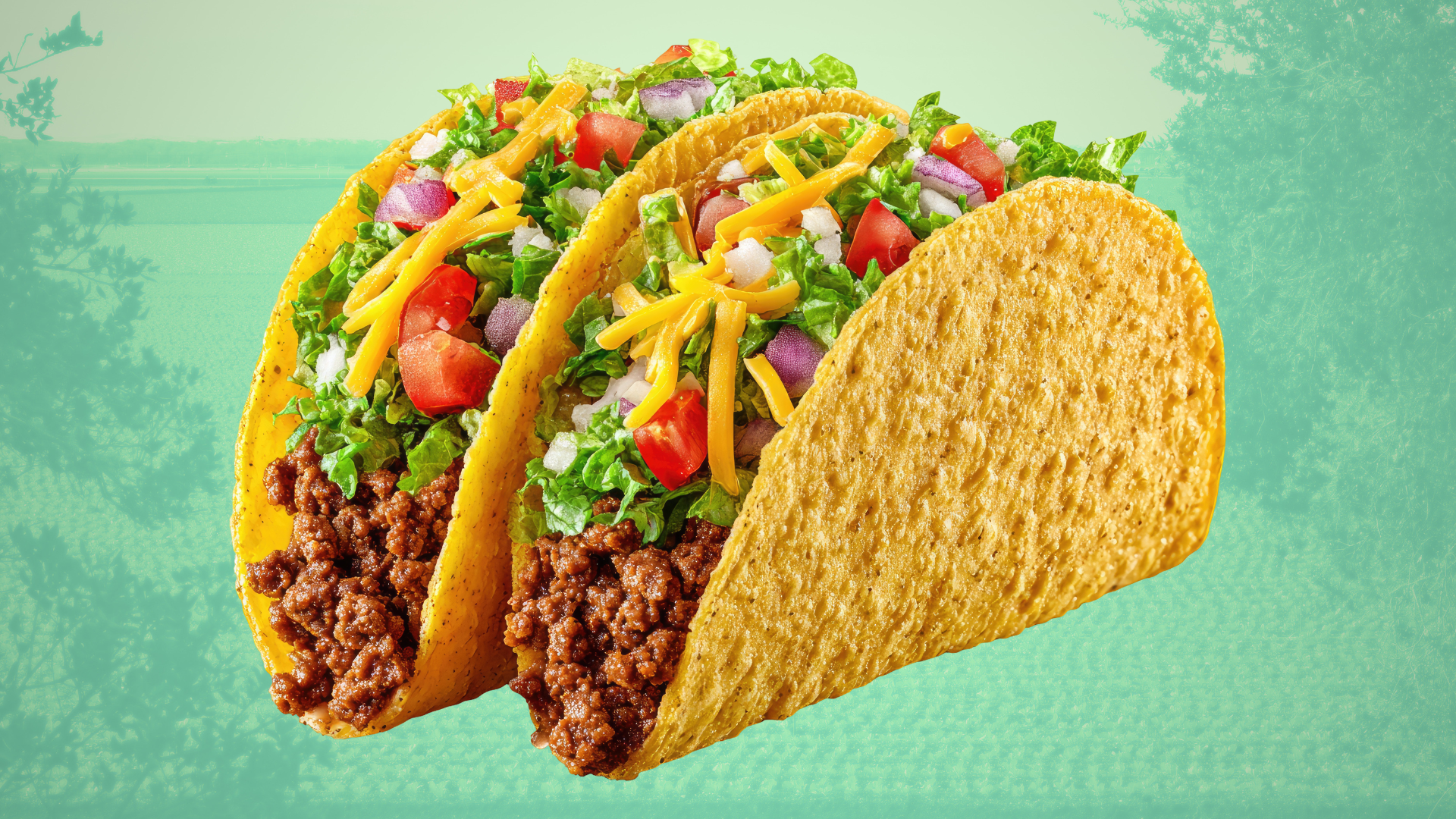
Five days earlier, Taylor Farms de Mexico recalled iceberg lettuce sourced from central Mexico. Investigators had traced a Cyclospora outbreak to Taco Bell locations across several Midwestern states. The FDA’s investigation now spans nine states. Nearly 2,000 illnesses have been reported, with dozens of hospitalizations. Taylor Farms has since suspended all sourcing and production from the implicated region. It’s also running an independent review of its food safety protocols there.
Neither event is an outlier. Sedgwick’s Q1 2026 U.S. Product Safety and Recall Index points to the same broader pattern. USDA-regulated food recalls hit their third-highest volume in more than two decades. Whether recalls keep happening isn’t in question. They will. The real question is: what determines whether a recall stays contained in days, or stretches into weeks?
How One Contamination Source Turns Into a Large-Scale Recall
Sedgwick’s data points to a pattern worth focusing on: FDA-regulated food recall events fell 10.3% quarter-over-quarter in Q1 2026. Yet the volume of product recalled in those events grew 99.5%, to 57.4 million units. Fewer recalls, each one bigger. That’s not a one-quarter fluke. It reflects how modern food supply chains are built. A single upstream grower or ingredient supplier can feed dozens of downstream brands and retailers. One contamination source now touches far more finished product than it once did.
This is also where the “overly broad recall” problem shows up. When a company can’t pinpoint the exact contaminated lot quickly, the recall has to expand. It ends up covering an entire product category or date range. That pulls in product that was never actually affected. It’s expensive for everyone in the chain, and it’s rarely a matter of poor intentions. It’s a traceability problem. Most operations can tell you what’s in a given lot. They can’t always tell you which specific shipments, sites, or downstream customers received it. That’s especially true when the data lives in separate systems that don’t talk to each other.
In practice, that gap looks like this: someone pulls a lot number from a WMS export. Then they manually cross-reference it against a shipping log in one system, and a customer list in another, while the clock on containment keeps running. Each handoff between systems is a place where a recall can widen instead of narrow. Nobody can confirm in time what the lot number actually reached. If your own recall plan runs through that kind of manual cross-referencing, you already know where the hours go once a hold notice comes in. You also know why the scope so often ends up bigger than the actual contamination.

What It Takes to Shorten Recall Response Time
A handful of operational capabilities separate a recall that’s contained in days from one that drags on for weeks. Full lot-level traceability is the first, tracked from receiving through shipment, so a contaminated lot can be identified precisely rather than approximated. A close second is the ability to place a hold, or pull that specific lot, across every site at once, the moment it’s flagged. That beats routing the request site by site and waiting on each one to confirm. Third is a clean, exportable audit trail that regulators and customers can review without a scramble to reconstruct records after the fact. That reconstruction work is exactly what turns a two-day recall into a two-week one.
Few operations have all three in place before they actually need them. That’s part of why recall timelines vary so widely, even among companies following the same regulatory playbook. This is one reason we built Rebus Recall Management. If you have Rebus, it’s built into the same operational platform that already tracks your labor and process data. Full traceability and recall readiness live alongside the information your team already works from. There’s no separate system to check manually. Holds and alerts can go out across every site at once. The underlying data reflects what’s happening now, not what happened last shift, so that visibility runs in real time. When a hold notice depends on knowing exactly what shipped where, and to whom, that kind of speed matters. It’s the difference between a recall that stays narrow and one that keeps widening while the answer gets tracked down.
Recall data connects naturally to the same platform tracking your broader operations. It’s worth seeing how that fits together. Learn more about Warehouse Analytics from Rebus.
What a Broad Food Recall Actually Costs
The direct costs of an overly broad recall land differently, depending on where a company sits in the chain. A Journal of Food Protection study on the spillover costs of overly broad recalls found wide variation by firm type and size. Producers incur median per-firm costs ranging from $3.0 million to $72.7 million. Shippers and distributors face smaller costs. They still run from the low hundreds of thousands to a few million dollars per firm. Retailers and restaurants absorb their own share of the impact too, even when their own product was never actually contaminated.
Those figures cover direct response costs only: recall logistics, notifications, disposal, and the labor to execute all three under deadline pressure. They don’t include the harder-to-quantify losses that typically follow a recall of this scale. Retailers reset planograms, losing shelf space. Supplier contracts can carry penalty clauses. Litigation is possible. Buyer trust erodes more slowly, in ways that can outlast the recall itself by months.
The connection to traceability is direct. The tighter a company can define exactly what’s affected, down to the lot and shipment, the smaller the recall stays. Fewer unaffected products get pulled along with the real risk. Broad recalls aren’t a sign of bad luck. They’re usually a sign that the data needed to narrow the scope wasn’t available fast enough. That puts the real cost driver back where operations teams can actually influence it.
See What Full Recall Traceability Looks Like
Recalls aren’t going away. Based on the volume moving through the system this year, the pace isn’t slowing down either. The gap between a fast, narrow recall and a slow, sprawling one usually comes down to one question: exactly what shipped where, and to whom? If that answer currently takes hours of cross-referencing instead of minutes, it’s worth seeing what full traceability looks like before the next hold notice arrives.
Frequently Asked Questions About Recall Management
- What caused the 2026 Salmonella egg recall?
Midwest Poultry Services recalled roughly 1.6 million dozen shell eggs from two Texas farms after its own environmental monitoring detected Salmonella Enteritidis. That strain was later linked to illnesses in 17 states.
- What caused the 2026 lettuce Cyclospora outbreak?
Taylor Farms de Mexico recalled iceberg lettuce sourced from central Mexico. Health officials had traced a Cyclospora outbreak to product served at Taco Bell locations in several states.
- Why are food recalls increasing in 2026?
Recall event counts are flat or falling in some sectors. But the volume of product per event is climbing sharply, largely because single upstream sources now feed many downstream brands.
- How do food recalls happen in a modern supply chain?
Contamination typically enters at one point: a farm, a grower, or a processor. It spreads to every brand and retailer that source supplies, which is why one issue can trigger a wide-reaching recall.
- What is an overly broad recall?
It’s a recall that expands beyond the actual contaminated product because the source can’t be pinpointed quickly. It pulls in unaffected lots, dates, or categories along with the real risk.
- What does a food recall cost a producer?
Research in the Journal of Food Protection found producer median costs from a single overly broad recall ranging from $3.0 million to $72.7 million per firm. That figure doesn’t count harder-to-quantify losses like lost shelf space.
- How can a company prepare for a food recall?
Preparation centers on lot-level traceability from receiving through shipment. It also means the ability to issue holds across every site at once, and an audit trail ready for regulators before a recall starts.
- What is food recall traceability?
It’s the ability to track exactly which lots, shipments, and customers were touched by a given ingredient or product. That lets a recall be scoped precisely instead of broadly.
- How does Rebus support food recall traceability?
Rebus Recall Management builds lot-level traceability and recall readiness into the same platform that already tracks labor and operational data. Holds and alerts can go out across every site in real time.