
















Introduction
This article explains the key difference and compares warehouse analytics vs. business intelligence (BI) tools. It clarifies how each solution supports supply chain decision-making, highlights use cases, and helps operations leaders determine which approach best fits their warehouse and logistics needs.
Table of Contents
It usually starts the same way.
A pallet goes missing. Not in the system, not technically “lost,” but no one can actually find it. The WMS says one thing. The spreadsheet says another. The supervisor is walking the floor trying to piece it together while orders start backing up.
Or the shift just… derails. What looked like a manageable day at 8:00 a.m. turns into a scramble by noon. Picks slow down. Congestion builds. No one is quite sure where things went wrong, only that they did.
At some point, someone pulls a dashboard.
And that’s where the frustration really sets in.
Because the data is there. But it doesn’t explain what’s happening right now or what to do next.
This is the gap behind the conversation around warehouse analytics vs business intelligence tools. On paper, both promise visibility. In practice, they solve very different problems.
Understanding that difference is what determines whether your team is reporting on issues… or actually preventing them.
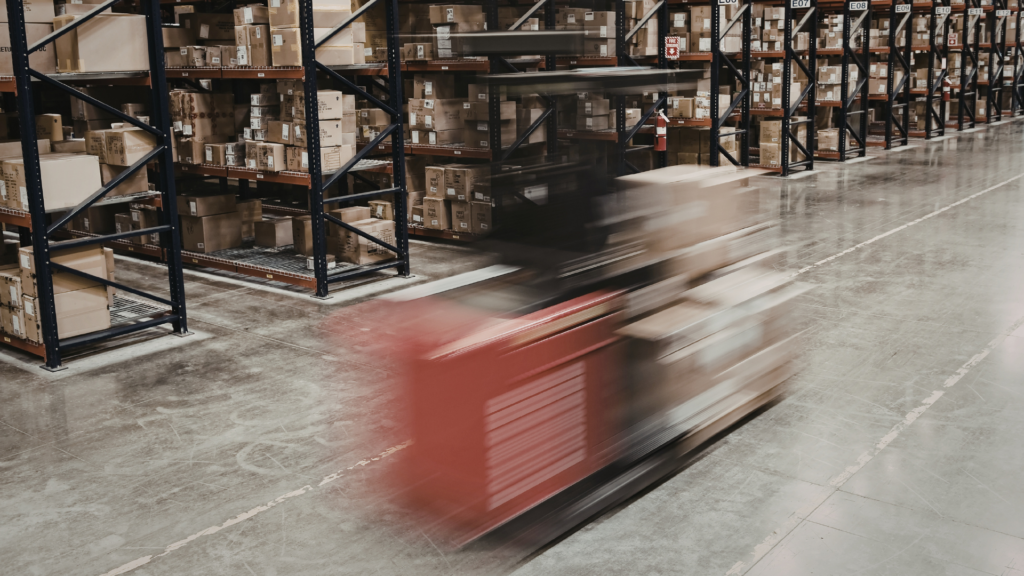
What is Warehouse Analytics?
Warehouse analytics is built for the moments described above.
Not quarterly reviews. Not high-level trends. The actual, messy, real-time reality of running a warehouse.
It focuses on answering questions like:
- Where did that pallet actually go?
- Why did picking slow down in Zone 3 an hour ago?
- Which orders are about to miss their SLA?
- Where is congestion starting before it spreads?
Warehouse analytics software connects directly to your WMS, TMS, and ERP systems, but instead of just aggregating data, it interprets it in operational context.
It understands how work flows through the building.
That means it can:
- Track work at the task level
- Surface issues as they develop, in real-time
- Tie performance directly to people, zones, and processes
- Highlight what needs attention right now
The goal is simple: give supervisors and managers the clarity to act before small issues tank the entire shift.
What Are Business Intelligence (BI) Tools?
Business intelligence tools were never designed for those moments.
They were designed to answer a different kind of question:
What happened?
BI platforms are excellent at aggregating data across systems and presenting it in dashboards. They help organizations track trends, measure performance over time, and support strategic decisions.
In supply chain environments, business intelligence tools for supply chain teams typically show:
- Order volumes over time
- Inventory levels across locations
- Labor cost trends
- Service level performance
These are valuable insights. But they are usually:
- Historical
- Aggregated
- Detached from real-time execution
A BI dashboard might tell you that pick rates dropped yesterday.
It will not tell you why the day went off track halfway through a shift.
And it definitely will not help you fix it in the moment.
Warehouse Analytics vs. BI Tools: Key Operational Differences
The easiest way to understand warehouse analytics vs business intelligence tools is to look at how each one behaves when something goes wrong.
Scenario: The Day Goes Off Track
At 10:30 a.m., picking slows down. By 11:15, orders are backing up. By noon, supervisors are scrambling.
What BI shows you:
- End-of-day report confirms pick rates dropped
- Dashboard highlights underperformance after the fact
What warehouse analytics shows you:
- Picking slowdown starts in a specific zone
- Congestion builds due to upstream replenishment delays
- Specific orders are at risk within minutes
- Labor imbalance is contributing to the issue
More importantly, warehouse analytics shows this while it is happening.
That difference changes everything.
Book a free demo now
See how Rebus unifies labor, inventory, and automation data to deliver real-time visibility, smarter forecasting, and actionable warehouse insights.
- Real-time visibility across labor, processes, and inventory
- AI-powered forecasting to anticipate change and plan ahead
- Custom dashboards for faster, more confident decisions
Real-Time vs. Rearview Mirror
BI tools operate in the rearview mirror. Even with frequent refreshes, they are still telling you what already happened.
Warehouse analytics operates in the moment. It shows:
- What is happening now
- What is about to happen next
- Where intervention will have the most impact
In a fast-moving warehouse, that timing is the difference between staying on track and falling behind.
General Metrics vs. Operational Context
BI dashboards tend to present metrics without context.
You see that performance is down. But you have to investigate why.
Warehouse analytics connects the dots automatically:
- Which process is slowing down
- Which team or zone is impacted
- What caused the issue
- What action is needed
It turns data into something usable on the floor.
Reporting vs. Action
BI answers questions.
Warehouse analytics drives decisions.
When a pallet goes missing, BI might help you confirm it later.
Warehouse analytics helps you figure out where it is, why it happened, and how to prevent it from happening again.

Where Business Intelligence Tools Fall Short in Warehouse Operations
The frustration many teams feel is not because BI tools are bad. It is because they are being asked to do something they were not designed for.
This shows up in very specific, familiar situations.
“We know something is wrong, but we can’t see it yet”
Issues surface too late. By the time dashboards reflect a problem, it has already impacted operations.
“We’re constantly reacting”
Supervisors spend their day firefighting instead of managing proactively. Problems are discovered after they escalate.
“We have the data, but no clear answer”
Reports show symptoms, not causes. Teams spend hours digging into spreadsheets trying to piece together what happened.
“The floor and the dashboards don’t match”
What people see happening in the building does not line up cleanly with what the system says.
“We can’t get ahead of anything”
Forecasting disruptions or bottlenecks is difficult. Everything feels reactive.
These are not abstract pain points. They are daily frustrations that slow teams down and erode confidence in the data.
They also explain why relying on BI alone often leads to diminishing returns.
Why Purpose-Built Warehouse Analytics Drives Better Results
Warehouse analytics is designed specifically to eliminate those moments of uncertainty.
Instead of asking managers to interpret dashboards, it gives them clear, immediate direction.
Catch Bottlenecks Before They Spread
Rather than discovering congestion after it impacts throughput, warehouse analytics identifies where it is starting and why.
This allows teams to intervene early and keep work flowing.
Eliminate “Where Did That Go?” Moments
With full visibility into inventory movement, teams can quickly trace where items are, where they were last handled, and what caused discrepancies.
Keep the Day on Track
When performance starts to drift, warehouse analytics highlights it immediately. Managers can rebalance labor, adjust priorities, and prevent the day from spiraling.
Improve Supervisor Clarity
Supervisors no longer have to rely on instinct or manual checks. They have a clear, real-time view of what needs attention.
Move from Reactive to Proactive
Perhaps the biggest shift is cultural. Teams move away from constant firefighting toward controlled, predictable operations.
Solutions like Rebus warehouse analytics are built to support exactly this transition, turning fragmented data into operational clarity.
Can Warehouse Analytics and BI Tools Work Together?
Yes, and in many cases, they should.
This is not a replacement conversation. It is a role clarity conversation.
- BI tools provide a big-picture view across the business
- Warehouse analytics provides deep, real-time visibility within the warehouse
For example:
- BI identifies that fulfillment performance is trending down
- Warehouse analytics shows exactly where, when, and why it is happening
Together, they create alignment between strategy and execution.
The mistake is expecting one to fully replace the other.
How to Know If Your Warehouse Has Outgrown BI Alone
Many organizations reach a point where BI tools are no longer enough, even if they are well implemented.
Signs include:
The Same Fire Drills Keep Happening
Days go off track in similar ways, but the root causes are never fully understood or addressed.
Problems Are Always Found Too Late
Issues are identified after they impact service levels, not before.
Teams Rely on Workarounds
Spreadsheets, manual checks, and tribal knowledge fill the gaps left by dashboards.
Visibility Feels Incomplete
You have data, but not clarity. You can see performance, but not the drivers behind it.
Improvements Plateau
Despite having more data than ever, operational performance stops improving.
If these patterns sound familiar, it is often a sign that you need more than reporting. You need operational intelligence.
Conclusion: From Firefighting to Control
The conversation around warehouse analytics vs business intelligence tools is not really about technology.
It is about control.
BI tools help you understand what happened. That is valuable. But it does not stop the next problem from happening.
Warehouse analytics helps you stay ahead of what is happening.
It gives you the ability to:
- Catch issues before they escalate
- Understand exactly what is going wrong
- Take action in the moment
In an environment where small disruptions can quickly compound, that difference is critical.
The goal isn’t more data, it’s fewer surprises.
FAQ
- Can business intelligence tools handle warehouse operations effectively?
They can support high-level visibility, but they are not designed for real-time operational management. They are most effective when paired with warehouse analytics rather than used alone.
- Why do warehouses need specialized analytics software?
Because warehouse operations are fast-moving and unpredictable. Specialized analytics provides real-time visibility and actionable insights that general-purpose tools cannot deliver.
- Is warehouse analytics more advanced than BI tools?
It is more specialized. Warehouse analytics is designed for execution on the floor, while BI tools are designed for broader analysis across the business.
- What are the limitations of BI for supply chain teams?
BI tools typically provide historical insights, require manual analysis, and lack real-time operational context. This limits their ability to support day-to-day warehouse decision-making.
- How does warehouse analytics improve labor and inventory performance?
It provides real-time visibility into workflows, helping managers optimize labor allocation, reduce inefficiencies, and improve inventory flow.
- Should warehouse analytics replace or complement BI tools?
In most cases, it should complement BI tools. Each serves a different purpose and together they provide a more complete view.
- When is it time to move beyond traditional BI dashboards?
When teams are constantly reacting to issues, relying on manual workarounds, or struggling to translate data into action, it is time to expand beyond BI alone.
- What results can companies expect from warehouse analytics?
Improved throughput, fewer disruptions, better labor utilization, faster issue resolution, and more predictable warehouse performance.